

Many parents wonder about the best age to start piano lessons for their children. A common question is: Can a 5-year-old learn piano? The answer is yes. In fact, age five is often considered a great time for children to begin exploring music and learning the piano.
At this age, children are naturally curious, energetic, and eager to learn new things. With the right teaching approach and a supportive environment, a five-year-old can successfully start piano lessons and develop a lifelong love for music.
Why Age 5 Is a Good Time to Start Piano?
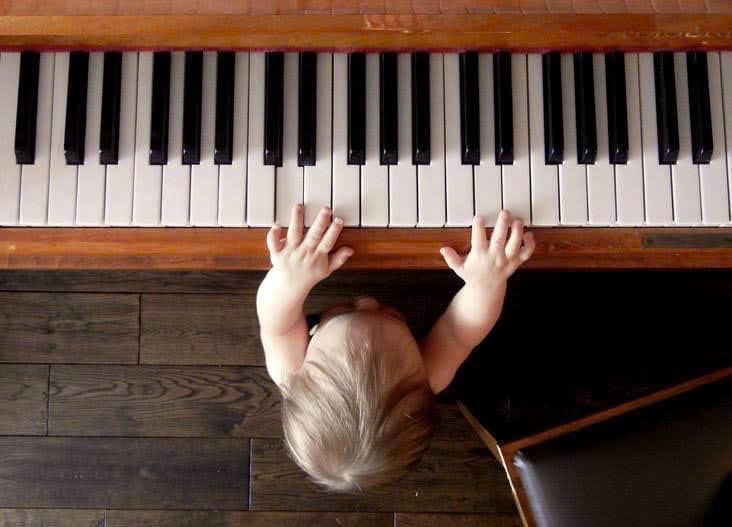
** Benefits of Piano Lessons for 5-Year-Olds
Five years old is an important stage in a child’s development. Children are improving their motor skills, listening abilities, and memory, which are all important for learning music.
Starting piano lessons at this age can help children develop:
1. Coordination and Motor Skills
Playing the piano requires both hands to work together while reading music and listening carefully. This helps improve coordination and finger control.
2. Concentration and Discipline
Piano lessons encourage children to focus and practice regularly. These habits help build patience and discipline that can benefit them in school and other activities.
3. Creativity and Self-Expression
Music gives children a way to express their feelings and imagination. Learning piano allows them to explore sounds, melodies, and rhythm in a creative way.
4. Confidence
As children learn new songs and perform for family or teachers, they gain confidence and a sense of achievement.
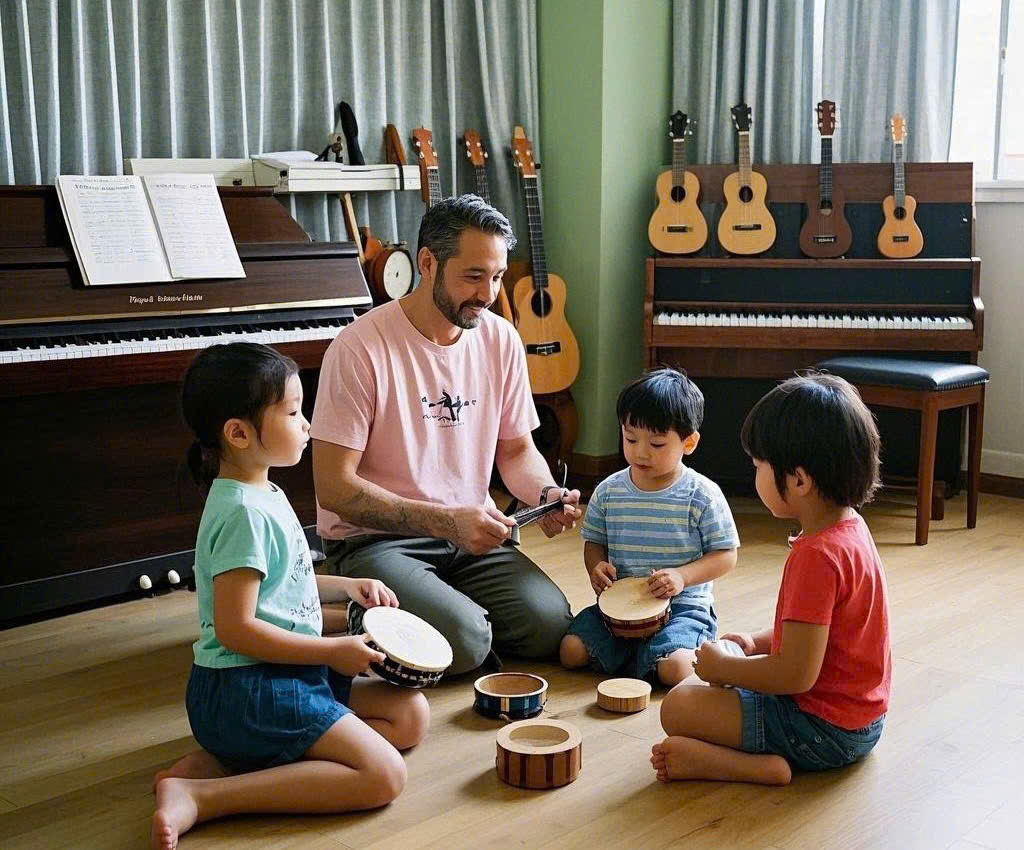
Because of these benefits, many music educators believe that starting piano lessons around age five can be very beneficial for a child’s overall development.
Can a 5-Year-Old Really Learn Piano?
es, a five-year-old can absolutely learn piano. However, piano lessons for young children should be designed specifically for their age and learning style.
Young students learn best through interactive and engaging lessons that include games, simple songs, rhythm exercises, and movement activities. The goal is not to push children too quickly but to help them enjoy the learning process.
At the beginner level, children usually start with:
- Basic finger exercises
- Simple melodies
- Rhythm and clapping activities
- Introduction to music notes
- Listening and musical games
With consistent lessons and encouragement, most children can gradually build the skills needed to play more complex pieces as they grow older.
What Makes Piano Lessons Successful for Young Children?
While age five is a good time to start learning piano, the success of lessons depends on several important factors.
1. A Qualified and Patient Teacher
Teaching young children requires special skills. A good piano teacher understands how to make lessons fun while still building strong musical foundations.
Teachers who work with young beginners often use visual materials, storytelling, and interactive activities to keep children engaged.
2. Short and Fun Practice Sessions
Young children have shorter attention spans, so practice time should be short and enjoyable. Instead of long practice sessions, it is better for children to practice 10–15 minutes a day.
Regular practice helps children develop muscle memory and improve gradually.
3. Parental Support
Parents play an important role in a child’s musical journey. Encouragement, positive feedback, and helping children maintain a regular practice routine can make a big difference.

Parents do not need to be musicians themselves. Simply showing interest and supporting the child’s efforts is often enough.
4. A Positive Learning Environment
Children learn best when they feel comfortable and motivated. A friendly and encouraging environment helps young students feel confident and excited about learning music.
Music schools that specialize in teaching children often create lessons that combine learning and fun.
Signs Your Child Is Ready for Piano Lessons
Although age five is generally a good time to start, every child develops at their own pace. Some signs that your child may be ready for piano lessons include:
- Interest in music or musical instruments
- Ability to focus for short periods of time
- Basic hand coordination
- Enjoyment of singing or rhythm activities
If your child shows curiosity about music, it may be the perfect time to introduce them to piano lessons.
Benefits of Starting Piano Lessons Early
Starting piano lessons at a young age offers many long-term advantages. Children who learn music early often develop stronger listening skills, better memory, and improved academic performance.
Research also suggests that music education can help support language development, problem-solving skills, and emotional intelligence.
Most importantly, learning piano at a young age helps children build a positive relationship with music that can last a lifetime.
Try a Piano Lesson for Your Child
If you are considering piano lessons for your child, a trial lesson can be a great first step. A trial lesson allows children to explore the instrument, meet the teacher, and experience what learning piano is like.
During the lesson, teachers can also evaluate the child’s readiness and recommend the best learning approach.
Start Your Child’s Musical Journey
So, can a 5-year-old learn piano? Absolutely. With the right guidance, engaging lessons, and supportive parents, children can begin learning piano at age five and enjoy many benefits from music education.
Piano lessons not only teach musical skills but also help children develop confidence, creativity, and discipline. Starting early can open the door to a lifelong love of music.
If your child is curious about music, now may be the perfect time to begin their piano journey.



看不懂但大受震撼