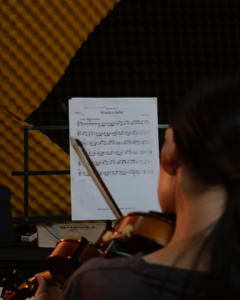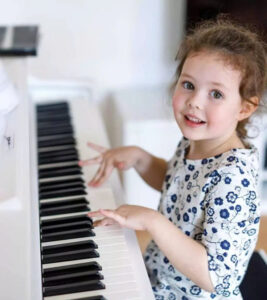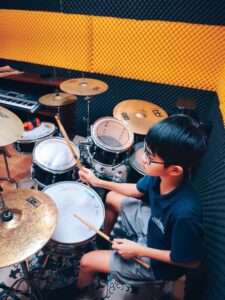

Early music education helps children develop intelligence, emotional skills, and confidence. Discover the top 5 benefits of learning music at a young age.
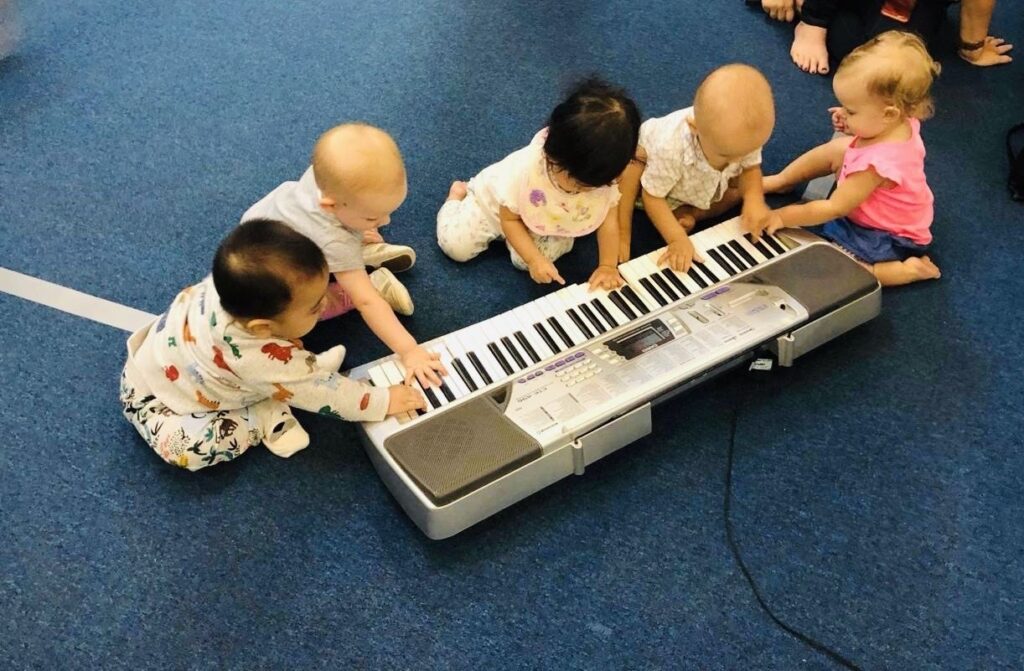
Introduction
Many parents today are looking for activities that can support their child’s overall development—not just academically, but emotionally and socially as well. One of the most powerful and proven methods is early music education.
From piano lessons to singing and rhythm training, music plays a vital role in shaping a child’s brain and personality. But what exactly are the benefits of learning music early? And why should parents consider enrolling their children in music classes?
In this article, we’ll explore the top 5 benefits of learning music for children, and why starting early can make a lasting difference.
1. Boosts Brain Development
One of the most important benefits of music education is its impact on brain development. Studies have shown that learning music stimulates both the left and right hemispheres of the brain.
This means children who learn music early tend to develop:
- Better memory skills
- Stronger problem-solving abilities
- Enhanced creativity
Music training also improves neural connections, which helps children process information more efficiently. As a result, kids who take music lessons often perform better in subjects like math, reading, and language.
In short, music and brain development go hand in hand, making it one of the best investments in your child’s future.
2. Improves Concentration and Focus
In today’s digital world, maintaining focus has become increasingly challenging for children. Music lessons provide a structured way to build concentration skills.
When learning an instrument, children must:
- Pay attention to rhythm and timing
- Read notes carefully
- Coordinate both hands and eyes
This level of focus trains the brain to stay attentive for longer periods. Over time, children who study music develop better discipline and concentration—not only in music but also in school and daily activities.
That’s why many educators recommend music lessons for kids as a tool to improve academic performance.
3. Builds Confidence Through Performance
Confidence is a key life skill, and music is one of the best ways to develop it from an early age.
When children learn music, they are often encouraged to:
- Perform in front of teachers and classmates
- Participate in recitals or small concerts
- Share their progress with family
At first, performing may feel challenging. However, with practice and encouragement, children gradually become more comfortable and confident.
This experience helps them:
- Overcome fear of public speaking
- Express themselves more freely
- Develop a positive self-image
As a result, children who engage in music classes for children often grow into more confident and independent individuals.
4. Develops Patience and Persistence
Learning music is not something that happens overnight. It requires consistent practice, effort, and dedication.
For children, this is an important life lesson.
Through music education, kids learn:
- Progress takes time
- Mistakes are part of learning
- Success comes from persistence
Whether they are learning piano, guitar, or violin, children must practice regularly to improve their skills. This helps them develop patience and a strong work ethic.
Over time, these qualities extend beyond music and influence other areas of life, including school and personal goals.
This is why many parents see learning music early as a way to build character—not just talent.
5. Supports Emotional Expression
Children often experience emotions that they may not fully understand or know how to express. Music provides a safe and creative outlet for these feelings.
Through music, children can:
- Express happiness, excitement, or sadness
- Relax and reduce stress
- Feel a sense of achievement and joy
Playing an instrument or singing can be incredibly therapeutic. It helps children manage emotions and develop emotional intelligence.
In addition, music creates a sense of connection—whether it’s with a teacher, classmates, or an audience. This contributes to a child’s overall happiness and well-being.
That’s why the benefits of music for children go far beyond academics—they also support mental health and emotional balance.
Why Start Music Education Early?
You might be wondering: What is the best age to start learning music?
While every child is different, many experts agree that children can begin exploring music as early as 4–5 years old. At this age, they are naturally curious, open to learning, and able to absorb new skills quickly.
Starting early allows children to:
- Build a strong musical foundation
- Develop essential life skills
- Discover their interests and talents
The earlier they start, the more natural and enjoyable the learning process becomes.
Conclusion
Music is much more than just a hobby—it is a powerful tool for a child’s development. From improving brain function to building confidence and emotional strength, the benefits are truly lifelong.
If you’re considering an activity that supports both learning and personal growth, early music education is one of the best choices you can make for your child.
At PAA Music School, children learn in a fun, supportive, and inspiring environment. With experienced teachers and engaging lessons, students not only develop musical skills but also grow in confidence, discipline, and creativity.
https://share.google/S6lKxX0o4bjBiq06m